HISTORICAL CONTEXT
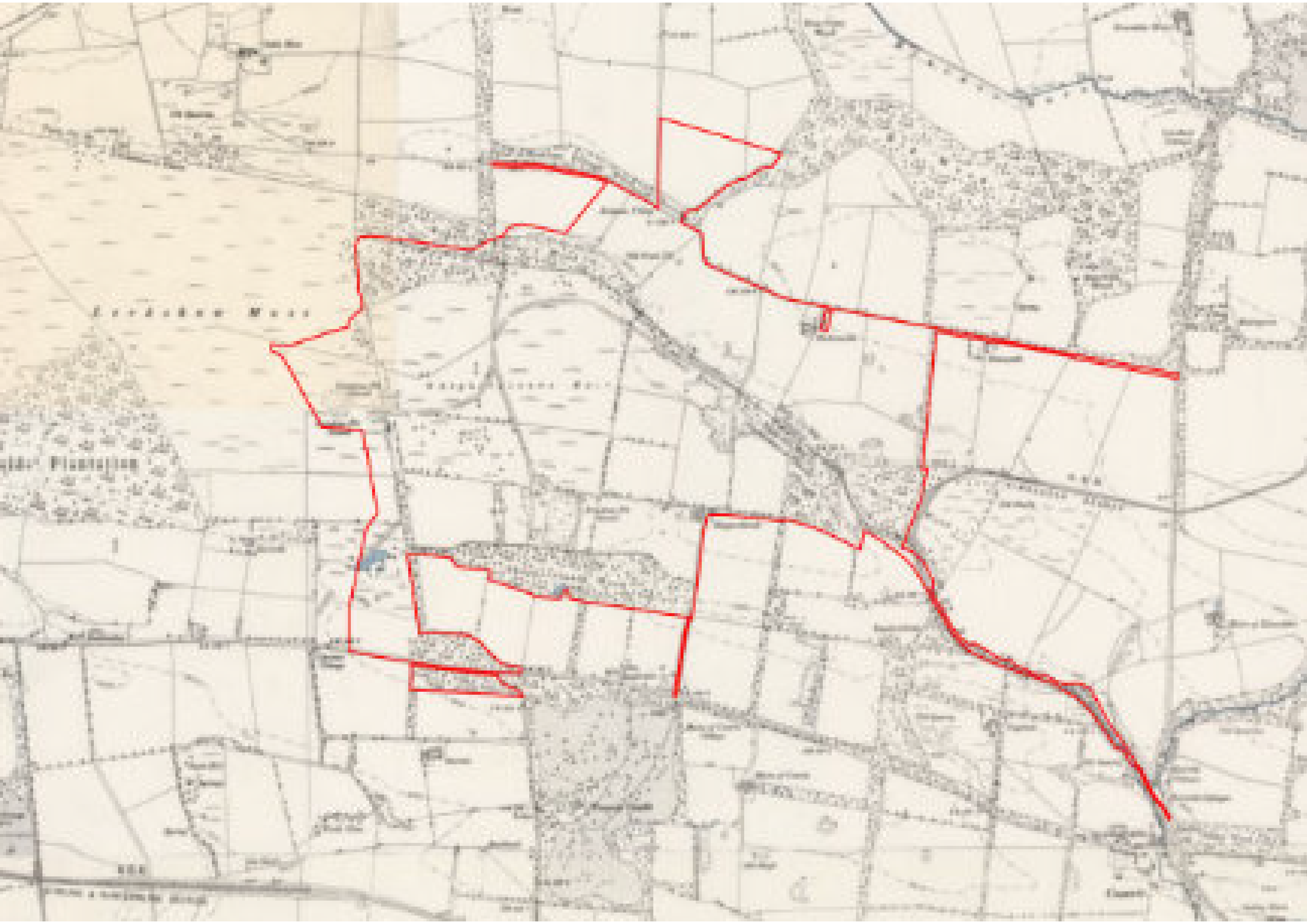
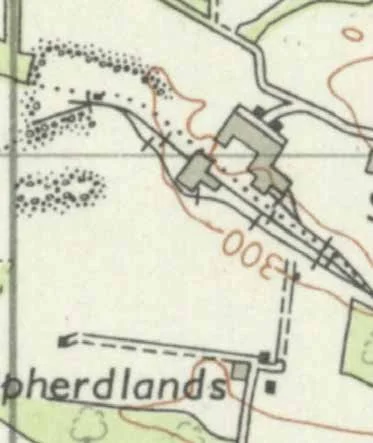
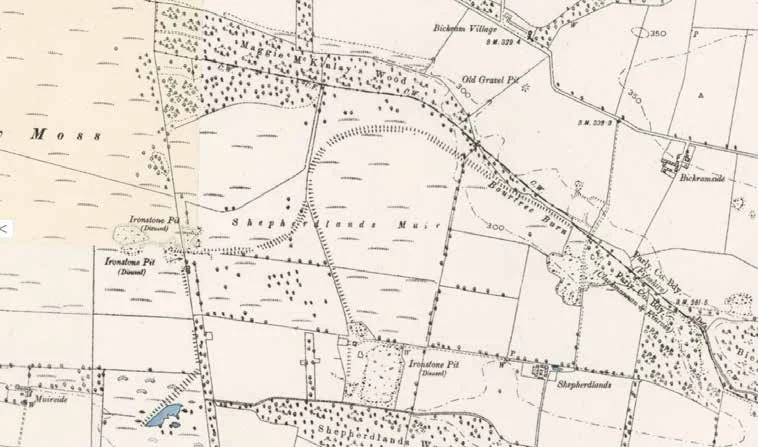
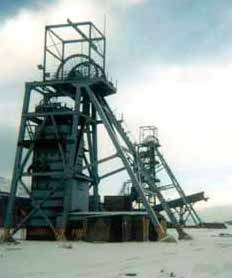
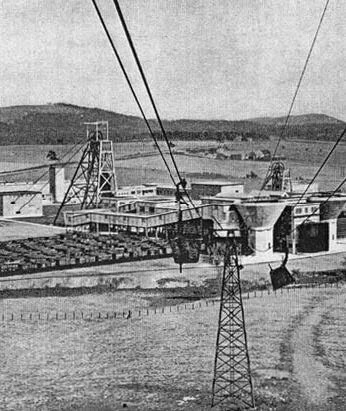
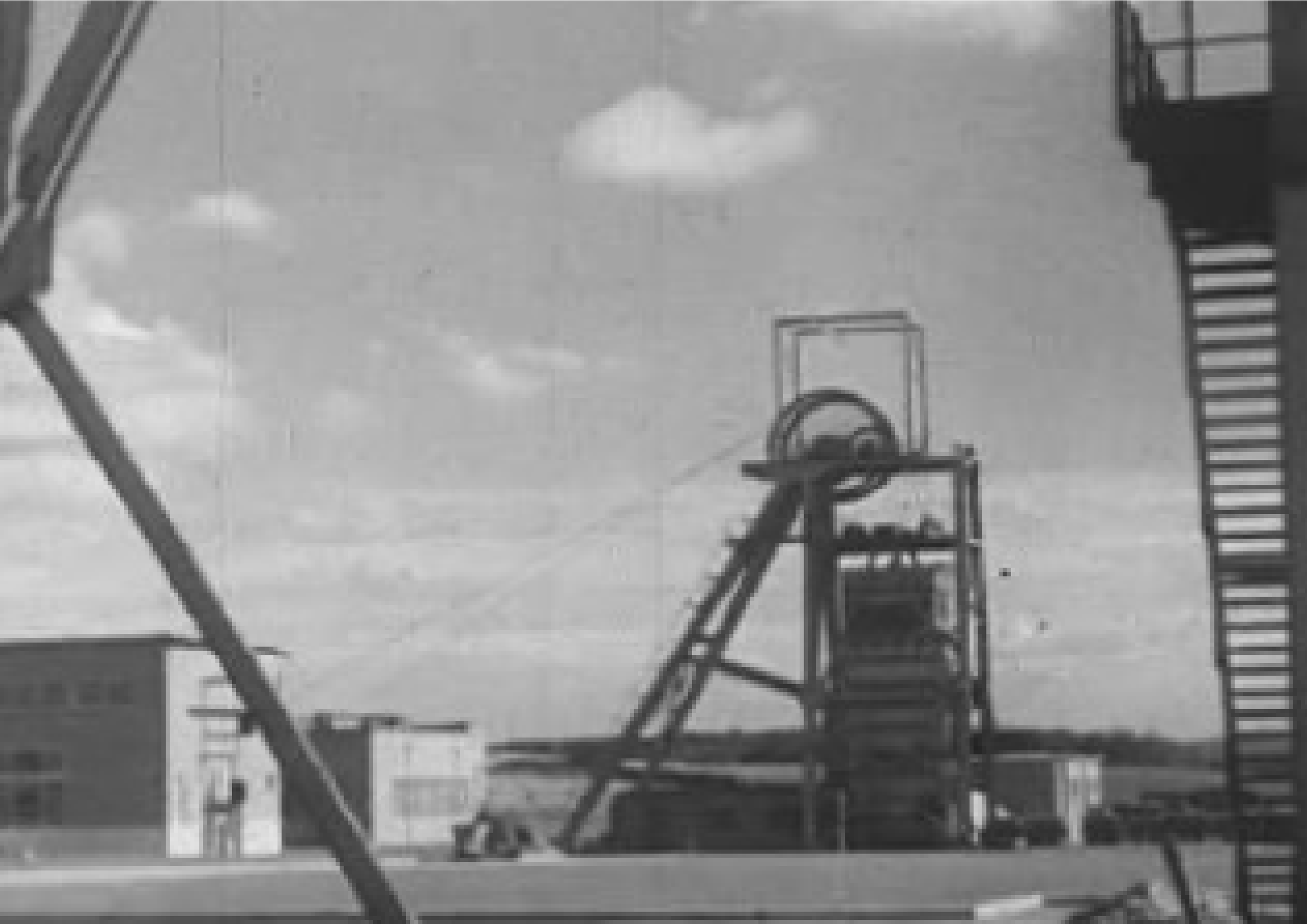
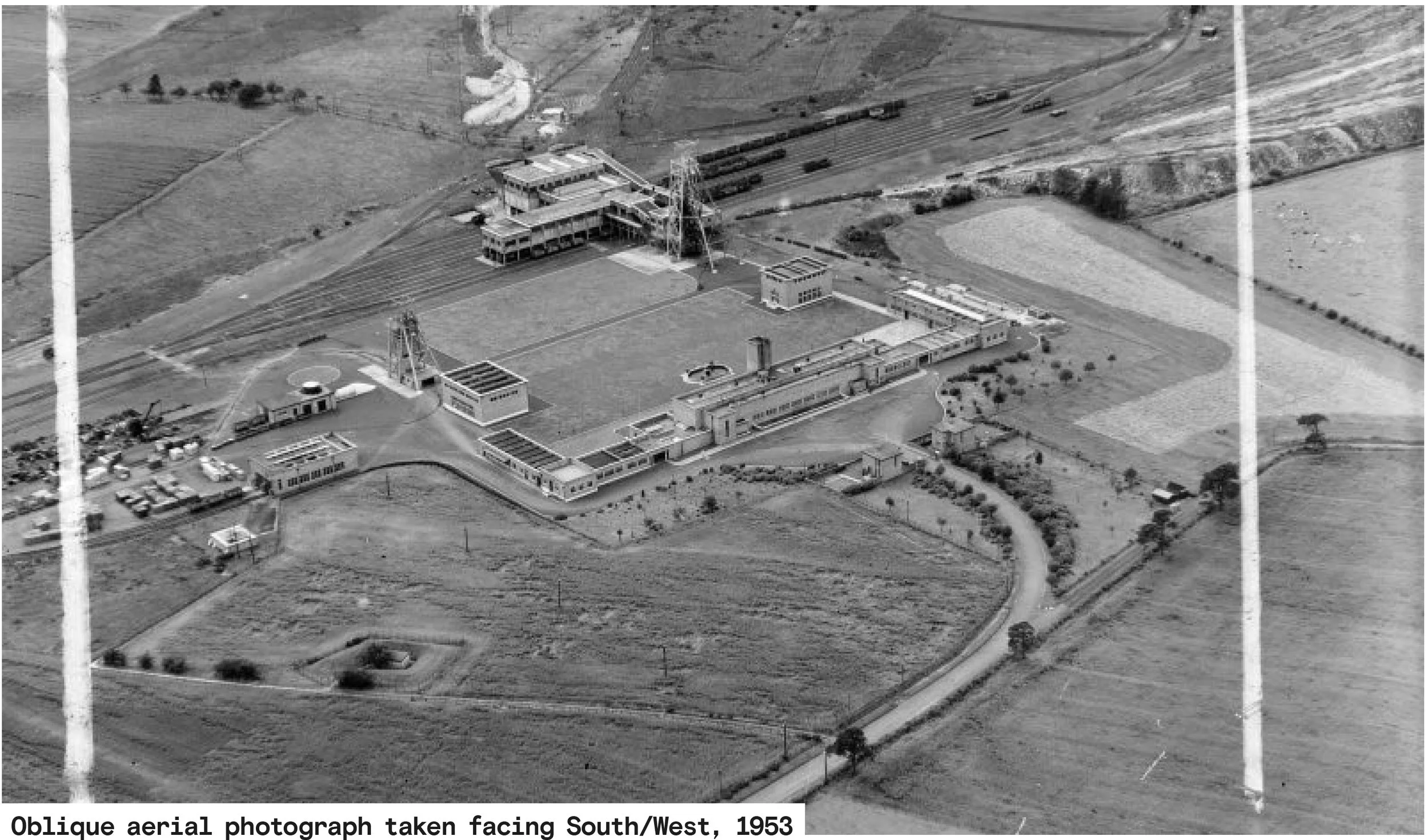
HISTORICAL IMAGES FROM COMRIE COLLIERY
The Comrie Colliery occupied the site from 1939 until 1986. Comrie was one of Scotland’s largest deep mines and as an industry played a key role in the post war economy of Fife and the opportunities, employment and social environment of NW Fife.
Closed in 1986 the mine gear and all major buildings including the Pithead Buildings, Rexco Smokeless Fuel Plant and ancillary structures were removed. When Scottish Coal the owners went into liquidation, in April 2013, the Comrie Colliery site had an uncertain future and left a legacy of dereliction. Acquired by the Comrie Development Company work to re-shape and remove the historic bing has been ongoing with a view to advancing a full restoration of the site and its redevelopment for a mix of use incorporating tourism and leisure, care facilities and renewables with limited housing to support restoration costs.
Fife has a long history of coal mining dating back to the mid-19th century. The Fife Coalfield was one of the principal coalfields in Scotland.
Over fifty collieries were in operation at various times between the middle of the nineteenth century and the closure of the last pit in 1988. The coalfield extended across the southern part of Fife where rocks of the Coal Measures Group occur and was one of a series of coalfields throughout the Midland Valley from which coal was won by both deep workings and open casting methods.
It is traditionally divided into the West Fife, Central Fife and East Fife coalfields. Over the years some 50 collieries have come and gone, the last deep mine closing in 1988.